
Resources > Definitions
About Gender-Based Violence
“Ending Gender-Based Violence is a Matter of Human Rights & Justice.”
Gender-Based Violence is a common, complex and consequential public health epidemic. It is a universal issue occurring in every culture and social group. Gender-based violence impacts every community member, regardless of community makeup. As stated in the US National Plan to End Gender-Based Violence, “Ending gender-based violence is, quite simply, a matter of human rights and justice.”
At WHW, we focus crisis intervention on three areas of gender-based violence: sexual violence, intimate partner violence, and stalking. All of our support services are available to ALL survivors, regardless of identity.
WHW does not stop at intervention. The solution to GBV is prevention and education. WHW provides Prevention Programming rooted in boundary and consent-based theories. Prevention Programming is provided in schools, workplaces, systems, community, and more. Prevention programming is tailored to each audience to create change across individuals and communities to address the systemic impacts of oppression and inequity.

Sexual Violence
Sexual activity when consent is not or cannot be obtained or given freely. Sexual violence includes rape, sexual assault, sexual harassment, and child sexual abuse.

The Statistics
- 13% of women and 6% of men will experience sexual coercion in their lifetime
- 27% of women and 11% of men experience unwanted sexual contact
- Every 68 seconds, an American is sexually assaulted.
- 1 out of every 10 rape survivors are male.
- 1 out of every 6 American women has been the victim of an attempted or completed rape in their lifetime.
Intimate Partner Violence
Physical violence, sexual violence, stalking, psychological aggression, economic abuse, and/or reproductive or sexual health coercion by a current or former intimate partner. Also referred to as domestic violence, dating violence, and/or teen dating violence.
The Statistics
- Intimate partner violence is most common among women between the ages of 18 to 24 and 25 to 34.
- 1 in 3 women and 1 in 4 men in the US have experienced rape, physical violence, and/or stalking by an intimate partner in their lifetime.
- 48% of all women and men in the US have experienced psychological aggression by an intimate partner in their lifetime.
- 96% of employees experiencing intimate partner violence also experience problems at work because of the abuse.
It’s Not Your Fault
Labels like “sexual violence, intimate partner violence, and stalking” describes what has happened to you – not who you are. You are a SURVIVOR. All Survivors have great inner strength. No matter what an abusive partner tells you, being abused is NEVER your fault – the person who chooses to be controlling and violence is responsible. You deserve safety, love, and equality. Intimate partner violence is not acceptable and it is not something you have to deal with alone. We are here to empower and support.
Stalking
Pattern of repeated harassing or threatening behavior, causing fear, substantial emotional distress, and/or safety concerns.
The Statistics
- 13.5 million people are stalked in a one-year period in the US.
- 1 in 3 women and 1 in 6 men have experienced stalking in their lifetime.
- 40% of stalking is done by a current/former intimate partner.
- 42% of stalking is done by an acquaintance.
- 1 in 8 employed stalking survivors lose time from work as a result of stalking.
Teen Dating Violence
Includes physical abuse, psychological abuse, economic abuse, sexual abuse, harassment, and/or stalking of any person ages 12 to 18 in the context of a past or present romantic or consensual relationships. This can present in many forms, including: Extreme jealousy or accuses you of cheating, Expects you to check-in all the time (or calls and/or texts you constantly), Embarrasses you or puts you down (shares inappropriate information about you), Makes you feel like you can’t say no, Isolates you from family or friends, Pressures, threatens or forces unwanted sexual activity, Scares you by acting violently, yelling, breaking or throwing things, hitting and/or kicking.
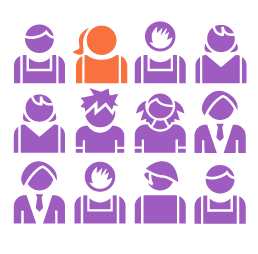
The Statistics
- 1 in 12 US high school students experience physical and/or sexual violence in a dating relationship.
- 68% of teens experienced educational interference as a result of teen dating violence.
- Transgender youth report the highest rates of physical dating violence at 88.9%, psychological dating abuse at 58.8%, cyber dating abuse at 56.3% and sexual coercion at 61.1%.